

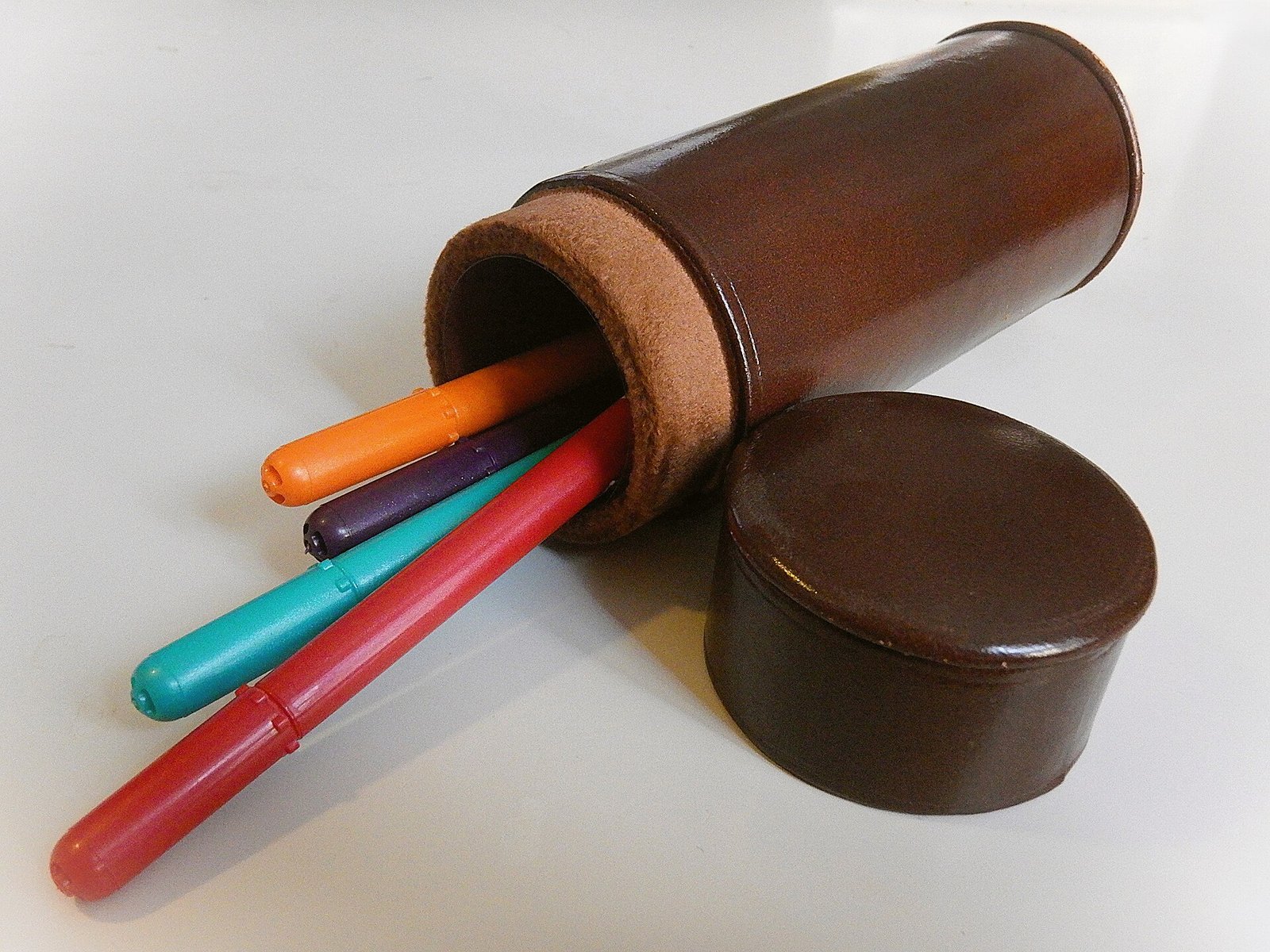
A good pen can last for years, sometimes decades, but only if it is looked after. Most pens that “stop working” are not broken at all. A tip has dried, a refill has been stored in a hot car, a fountain pen has been left with ink in it for months, a spring has gone missing or a clip has been bent. A few simple habits prevent almost all of these problems and keep pens writing smoothly from the first word to the last. None of them takes more than a few seconds, and together they can multiply the useful life of every pen you own.
This guide covers pen care and maintenance for every kind of pen: ballpoint, gel, rollerball, fountain pens, markers and highlighters. It explains daily habits, cleaning, storage, travel, troubleshooting and first aid for common problems, along with care for different materials and advice for offices, schools and shops that look after many pens at once.
It is written by Dyna Writing Instruments, which has made pens in Delhi since 1960, starting with fountain pens and later building ballpoint pen and refill manufacturing. We see every kind of pen problem, and most are easy to fix.
The short answer. Keep pens capped or retracted when not writing; store them cool, dry and out of sunlight; store gel and liquid-ink pens as the maker recommends (usually tip-down or flat); never leave pens in hot cars; replace refills rather than whole pens; flush fountain pens with plain water every few weeks and before storage; wipe barrels with a soft, dry or slightly damp cloth; avoid harsh solvents; and if a pen will not write, try gentle scribbling, warming the tip in your hand and checking for a cap, seal or missing spring before giving up.
Pen care at a glance
| Pen type | Daily habit | Regular care | Common problem |
|---|---|---|---|
| Ballpoint | Retract or cap after use | Wipe tip if ink builds up | Skipping on greasy paper; slow start in cold |
| Gel | Cap or retract; store as recommended | Keep out of heat | Skipping from air bubbles; leaks in heat |
| Rollerball (liquid ink) | Always cap | Store upright or flat; avoid heat | Drying out if uncapped; leaks on flights |
| Fountain pen | Cap after every pause | Flush every few weeks | Hard starts, clogs, inky fingers |
| Markers | Cap firmly | Store horizontally (or as directed) | Drying out |
| Highlighters | Cap firmly | Store horizontally | Drying out; tip contamination |
| Metal pens | Keep away from keys and coins | Wipe with microfibre | Scratches, fingerprints |
| Wood / bamboo pens | Keep dry | Occasional wax or oil | Cracking, swelling |
For background on how different pens work, see Types of Pens: The Complete Guide.
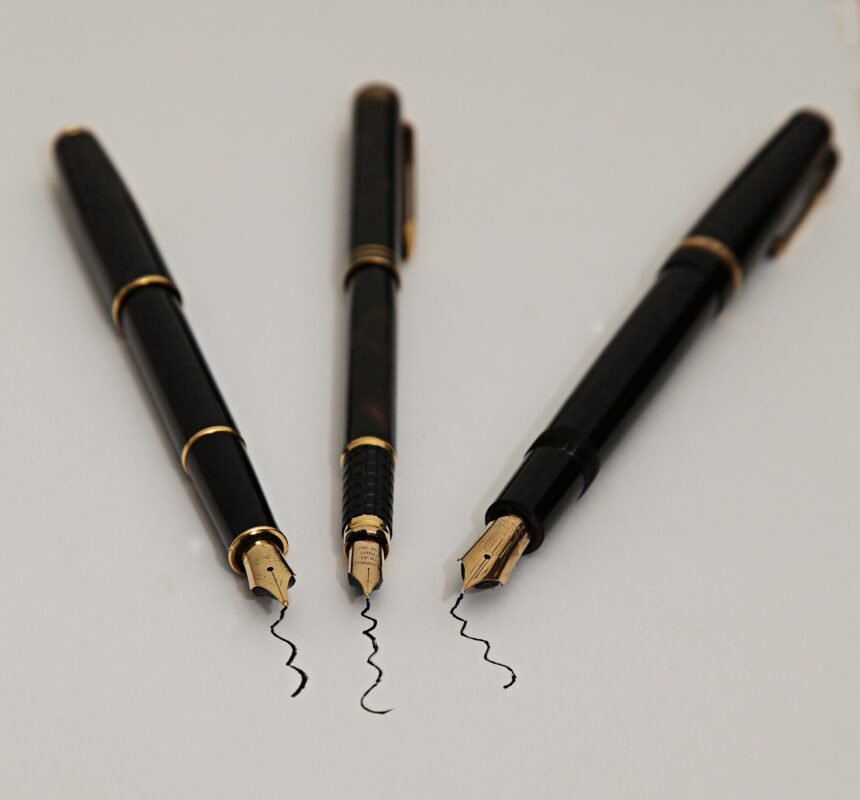
Why pen care matters
Pens last longer
A well-kept refillable pen can be used for years. Small habits such as capping, careful storage and regular cleaning are the difference between a pen that lasts a month and one that lasts a decade.
Writing stays smooth
Dried ink, dust and damaged tips cause skipping and scratchiness. Care keeps the ink flowing and the tip clean.
Fewer accidents
Most leaks and stains come from heat, pressure changes or uncapped pens. Prevention is easier than stain removal.
Less waste and lower cost
Pens that are cared for and refilled replace many disposable pens, reducing waste and spending. See Pen Refills Explained.
Branded pens keep working for your brand
For organisations, a promotional pen only works while it is being used. Good-quality pens that recipients know how to look after keep a logo in use for longer.
Who this guide is for
- Everyday pen users who want their pens to last and write well.
- Students and parents dealing with dried pens, leaks and exam preparation.
- Fountain pen owners who want a simple cleaning routine.
- Office and admin teams managing pen stock and shared pens.
- Hospitals, banks and front desks that clean shared pens frequently.
- Retailers and distributors storing and displaying pens.
- Recipients of gift pens who want to keep them looking new.
Ten rules of pen care
- Cap or retract every time you stop writing.
- Keep pens cool, dry and out of sunlight.
- Never leave pens in a parked car.
- Store gel pens and markers the way the maker recommends.
- Press lightly; let the ink do the work.
- Replace refills, not pens.
- Flush fountain pens with plain water every few weeks.
- Use only fountain pen ink in fountain pens.
- Clean gently with a soft cloth; avoid harsh solvents.
- Carry pens in a pouch or clipped, not loose.
Daily habits that keep pens working
1. Cap or retract every time
The single most important habit. An exposed tip dries, collects dust and can mark clothes and bags. Make capping automatic whenever you put a pen down, even for a minute with fountain pens and liquid-ink rollerballs.
2. Don’t press too hard
Heavy pressure can damage ball seats, bend needle tips and spread fountain pen tines. Let the ink do the work; if a pen needs heavy pressure, the ink, tip or paper is wrong for the job.
3. Write on suitable surfaces
Greasy, glossy or dusty surfaces leave residue on the ball, causing skipping later. Avoid writing on skin, which leaves oils on the tip.
4. Keep pens out of the heat
Never leave pens on a car dashboard, in a parked car, near a window in direct sun or beside a heater. Heat thins ink, expands air in the refill and causes leaks.
5. Carry pens properly
Clip pens to a pocket or diary, or carry them in a pen case. Retract click pens before pocketing them. Keep fountain and rollerball pens upright, nib up, in a shirt pocket.
6. Don’t chew or tap pens
Chewing damages caps and clips and can crack barrels. Tapping tips on desks damages ball seats.
7. Keep a spare refill
Replacing a refill the moment a pen runs dry keeps you writing and keeps a favourite pen in use.
8. Clean hands, clean pens
Hand creams and food on fingers transfer to pen grips and paper. Clean hands keep both in better condition.
Caring for ballpoint pens
Storage
Ballpoint pens are the most forgiving pens to store, which is one reason they remain the everyday standard in offices and schools. Keep them retracted or capped, in a drawer or pen pot, away from heat and sunlight. They can be stored tip-up or tip-down.
Tip cleaning
Over time, ink and paper fibres can collect around the ball, causing blobs at the start of lines. Wipe the tip gently with a tissue or scrap paper. Never use a pin or knife on the tip.
Slow starts
If a ballpoint is slow to start after a long rest or in the cold, scribble gently in small circles on scrap paper, or warm the tip in your hand for a minute. Ink thickens in the cold and thins as it warms.
Skipping
If the line skips, the ball may be coated with residue or the paper may be greasy. Write on a clean sheet of rough paper to clean the ball, then try again. If skipping continues, replace the refill.
Blobbing
Small blobs at the start of strokes usually come from ink accumulating around the tip. Wipe the tip regularly. Persistent blobbing on a new refill suggests a poor-quality refill; try another.
Click mechanism care
Click pens need no lubrication. Avoid clicking repeatedly out of habit, which wears the mechanism and can annoy colleagues. If the click becomes stiff, dust may have entered; unscrew the pen, blow out dust and reassemble. See how click pen mechanisms work.

Shared pens and borrowing
Pens are borrowed constantly in offices, classrooms and meetings, and borrowed pens are more likely to be dropped, chewed, left uncapped or lost. If you lend a favourite pen, mention how it works best: a light touch for a fountain pen, recapping a rollerball, retracting a click pen. Keep a sturdy everyday ballpoint to lend instead of your best pen, especially for quick signatures. In shared spaces, a pen pot with a clear “please return” label, and a few spare pens, keeps the good pens where they belong. When you borrow a pen yourself, return it capped or retracted, exactly as you found it.
Using pens correctly: grip, angle and pressure
How you write affects how long your pens last. A relaxed, correct technique protects tips and mechanisms and makes writing more comfortable.
Grip
Hold the pen lightly between thumb and index finger, resting on the middle finger, a couple of centimetres above the tip. A white-knuckle grip transmits too much force to the tip and tires the hand.
Angle
Ballpoint, gel and rollerball pens write best at a moderate angle, roughly 45 to 70 degrees to the paper. Very low angles can let the metal rim of the tip touch the paper, causing scratchiness and wear. Fountain pens prefer a lower angle, around 40 to 55 degrees, with the nib’s top facing up.
Pressure
Ball-tip pens need only enough pressure to keep the ball turning. Fountain pens need almost none. Excess pressure wears ball seats, bends needle tips, spreads fountain pen tines and leaves deep grooves in paper that show on the next page.
Paper support
Write on a firm surface with a few sheets underneath for a little cushion. Writing on a single sheet on a hard desk can feel scratchy; writing on very soft surfaces lets tips sink and drag.
Rotation
Ball-tip pens can be rotated freely, which helps them wear evenly. Fountain pens should not be rotated much; the nib wears to your angle over time.
Choosing the right pen for the job
Many pen problems come from using the wrong pen: liquid ink on thin paper, fine needle tips on rough cardboard, ballpoints on glossy brochures. Matching pen, ink and surface is a form of care in itself. See Pen Tip and Nib Sizes Explained and Pen Ink Types Explained.
Looking after click and twist mechanisms
Click mechanisms
A click mechanism uses a plunger, a rotating cam and a spring to extend and retract the refill. It is designed for thousands of clicks, but a few things shorten its life:
- Habitual clicking: repeatedly clicking during meetings wears the cam faster.
- Dust and grit: can enter through the button opening, making the click stiff or unreliable.
- Wrong refill length: a refill that is slightly too long or short forces the mechanism.
- Missing spring: the mechanism cannot reset without it.
- Ink leaks: leaked ink can gum up the mechanism.
To clean a stiff click pen, unscrew it, remove the refill and spring, tap out dust, wipe parts with a dry cloth and reassemble. Do not oil plastic mechanisms; oil attracts dust.
Twist mechanisms
Twist mechanisms in metal pens turn a threaded or cam sleeve to extend the refill. Turn them gently to the stop; forcing past the stop can damage the mechanism. If a twist pen becomes stiff, check that the refill is the correct type and fully seated.
Capped pens
Caps should close with a positive click or a smooth screw. If a cap becomes loose, the inner clutch may have worn; the pen will still work but dry out faster. Keep caps clean so grit does not wear the clutch.
Retracting before pocketing
Always retract click and twist pens before putting them in pockets or bags. An extended tip is the most common cause of ink marks on clothes and bag linings.
Learn more in how click pen mechanisms work.
Caring for gel pens
Storage orientation
Many gel pen makers recommend storing pens tip-down or flat, so the ink stays in contact with the tip. Follow the packaging advice for your pens. Storing gel pens tip-up for long periods can let air reach the tip and cause skipping.
Heat
Gel ink is water-based and sensitive to heat. Hot cars and sunny windowsills can thin the ink, cause leaks or separate the ink and follower. Keep gel pens in cool, shaded places.
Skipping and air bubbles
If a gel pen skips mid-line, air may have entered the ink column. Hold the pen tip-down and tap it gently on your palm, or give it a few gentle downward flicks over scrap paper (not over clothes). Then scribble lightly to restart flow.
Capping
Capped gel pens should be recapped immediately. Retractable gel pens should be retracted; their tips are protected inside the barrel.
Cleaning the tip
Wipe gently with a tissue if paper fibres or dried ink collect at the tip. Do not soak gel refills in water.
Shelf life
Gel pens are best used within a reasonable time of purchase. Store spares sealed and cool and use older stock first.
Caring for rollerball (liquid-ink) pens
Always cap
Liquid ink dries quickly at the tip. Recap a rollerball every time you stop writing, even briefly. A good cap with an inner seal keeps the tip moist for days.
Store upright or flat
Store rollerballs flat or tip-up as recommended. Avoid shaking them.
Flights and altitude
Changes in cabin pressure can push liquid ink out. Keep rollerballs capped and upright during flights and open them carefully after landing, with a tissue nearby.
Heat and humidity
Heat can cause rollerballs to over-flow; humid weather slows drying on paper. Keep them cool and use slightly better paper in the monsoon.
Reviving a dry rollerball
If a rollerball has been left uncapped, hold the tip against a slightly damp tissue for a few seconds, then scribble on scrap paper. If it does not recover, replace the refill.
Our Aero Flow liquid-ink pens and Black Tie rollerball are designed to write smoothly when cared for this way.
Ballpoint vs gel vs rollerball: care compared
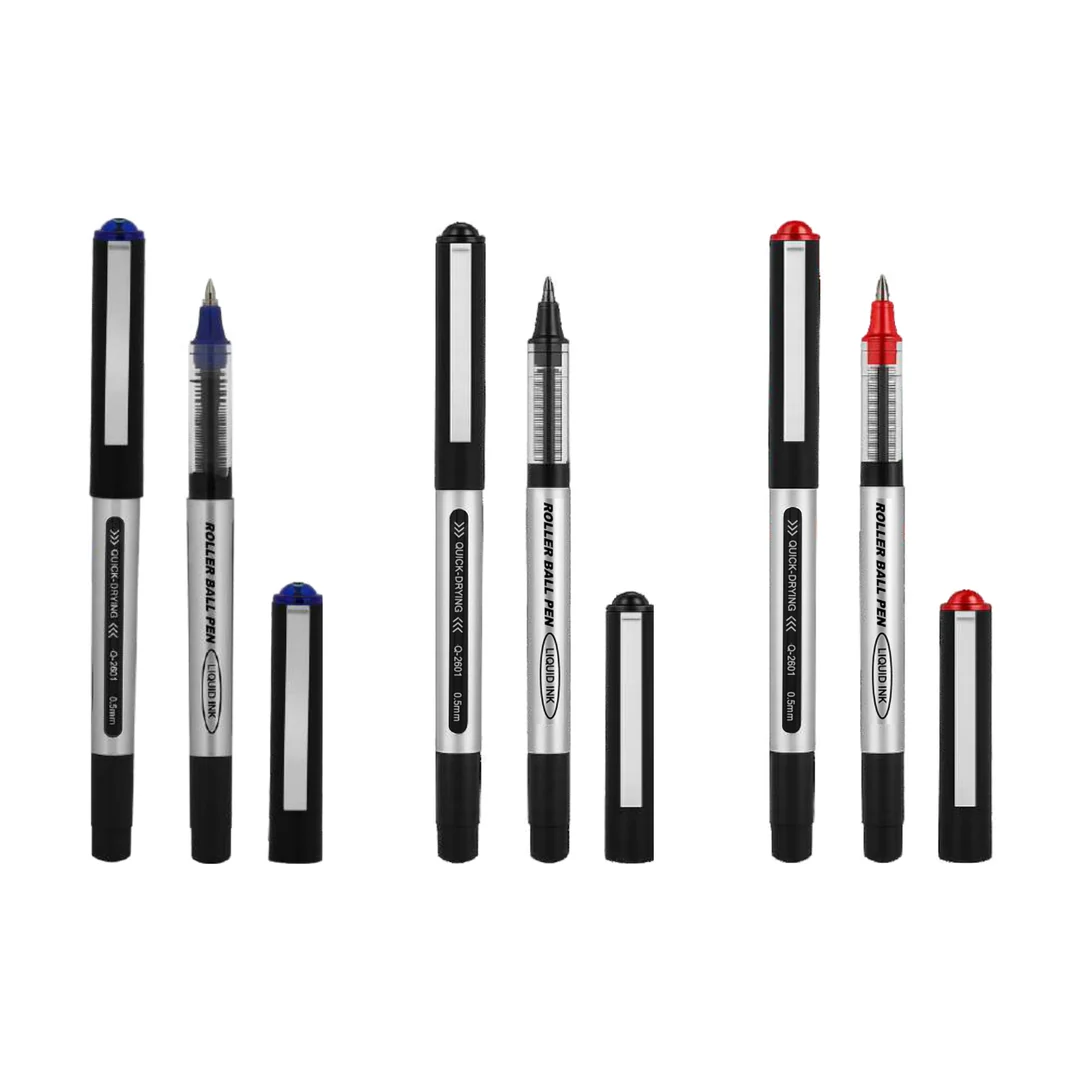
Ballpoints are the most forgiving: thick oil-based ink barely evaporates, so a retracted or capped ballpoint can sit in a drawer for a long time and still write. Gel pens need a little more thought: store them as recommended, keep them cool and tap them tip-down if they skip. Rollerballs demand the most discipline: always cap them, keep them out of heat and take extra care on flights. If you often forget to cap pens, a retractable ballpoint or hybrid will serve you best; if you love the feel of liquid ink, build the capping habit and you will enjoy rollerballs for years. For more on how these inks differ, see Ballpoint vs Gel vs Rollerball.
Caring for special pens
Multi-pens
Multi-colour pens hold several slim refills. Retract all refills when not writing; the shared tip opening exposes whichever refill is out. When one colour runs out, replace that refill only. Avoid forcing the mechanism if two colours seem to deploy at once; unscrew and check the refills are seated correctly.
Pressurised pens
Pressurised refills are robust and need little care beyond normal capping or retracting. Do not try to open or puncture the refill. Replace with the correct pressurised refill type.
Erasable pens
Erasable gel inks are heat-sensitive. Store erasable pens and anything written with them away from heat, including car dashboards, laminators and irons, which can make writing disappear. Keep the eraser end clean by rubbing it on scrap paper.
Stylus pens
Pens with a rubber or mesh stylus tip for touchscreens should have the stylus kept clean and dry. Replace worn stylus tips if replacements are available.
Highlighter-pen combinations
Cap both ends firmly. Store horizontally to keep both inks available.
Calligraphy and brush pens
Brush tips are delicate. Store brush pens horizontally, cap them immediately and avoid pressing so hard that the tip splays. Clean calligraphy fountain pens as for other fountain pens; broad nibs carry more ink and benefit from more frequent flushing.
Fineliners and technical pens
Use a light touch to avoid flattening fibre tips. Cap immediately; pigment inks dry quickly. For refillable technical drawing pens, follow the maker’s cleaning instructions carefully, as their narrow tubes clog easily.
Liquid-ink pens with visible ink windows
Pens such as liquid-ink rollerballs with ink windows let you see the ink supply. Keep them capped and out of heat, which can push ink into the cap.
Looking after refills
The refill is the part of a pen that does the writing, and it deserves a little care of its own.
- Keep new refills sealed in their packs until needed, with tip caps on.
- Store them flat or tip-down in a cool drawer, as the maker recommends.
- Don’t bend refills, especially long plastic ones; a kink can stop ink flowing.
- Handle by the tube, not the tip; touching the ball transfers skin oils.
- Fit carefully: push refills straight into the pen rather than at an angle, so the tip is not knocked.
- Replace before empty for important occasions; a refill nearing the end can fade unpredictably.
- Use the right refill: an almost-fitting refill strains mechanisms and may leak.
- Don’t refill refills: ballpoint and gel refills are not designed to be refilled with ink; replace them.
When a refill runs dry, take a moment to note its type and tip size, or keep the empty refill to compare in the shop. That small habit avoids buying the wrong refill. Our guide Pen Refills Explained shows how to identify formats.
Looking after pens for events and distribution
Branded pens for events often travel through warehouses, vehicles and venues before they reach anyone’s hand. A little care along the way protects the investment.
- Receive and inspect: open a few pens from each carton on delivery and test them.
- Store cool: keep cartons in an air-conditioned or shaded room until the event, never in a vehicle overnight.
- Transport carefully: carry cartons inside the vehicle cabin rather than in a hot boot in summer, and don’t stack heavy items on them.
- Unpack shortly before use: pens in open bowls on sunny registration desks can heat up.
- Keep a test pad at the desk so staff can check pens and remove any duds.
- Store leftovers properly in sealed cartons for the next event.
Caring for fountain pens
Fountain pens need a little more attention than other pens, but the routine is simple and the reward is a pen that writes beautifully for decades.
Use only fountain pen ink
Never put India ink, drawing ink, acrylic ink or dip-pen calligraphy ink into a fountain pen. Their binders dry hard and can permanently clog the feed. See Pen Ink Types Explained.
Cap whenever you pause
Fountain pen ink at the nib dries within minutes in warm, dry air. Capping keeps it ready.
Flush regularly
Flush the pen with clean water:
- every few weeks of regular use;
- whenever you change ink colour or brand;
- before storing the pen for more than a few weeks;
- whenever ink flow becomes weak or inconsistent;
- more often with shimmer, pigmented or iron gall inks.
How to flush a cartridge/converter pen
- Unscrew the barrel and remove the cartridge or converter.
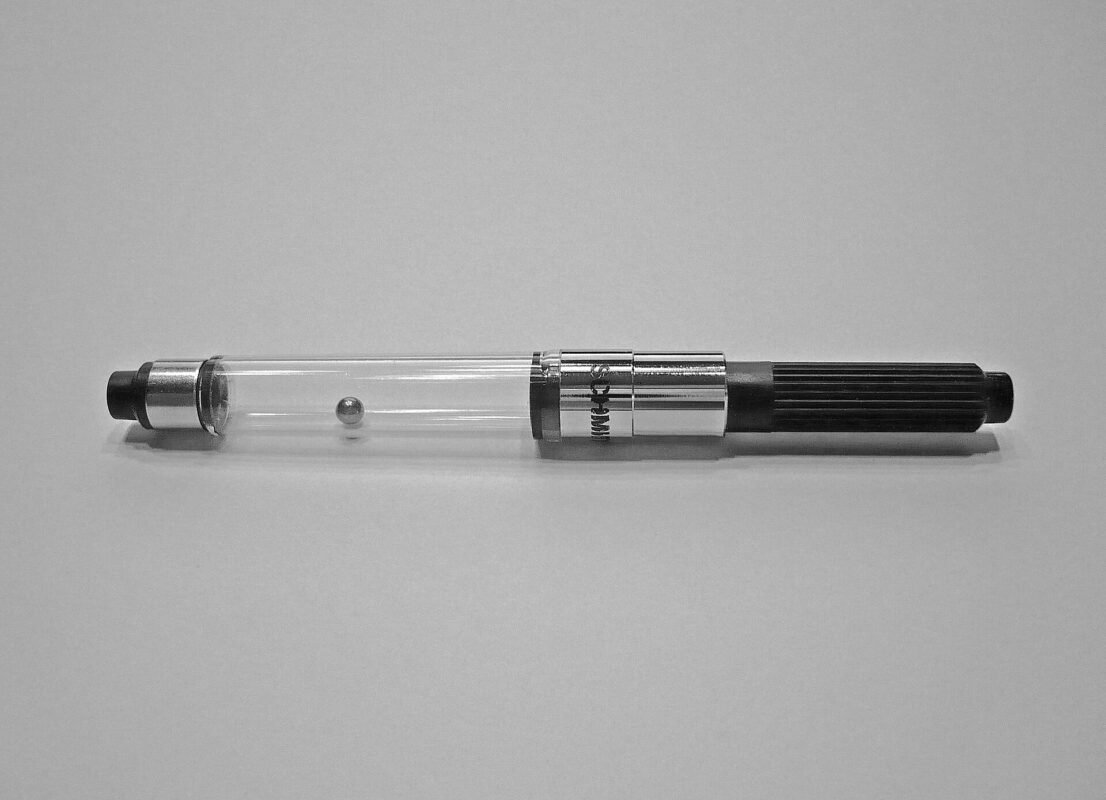
- Hold the section (nib and grip) under gently running cool or lukewarm water, or stand it nib-down in a cup of clean water for a while.
- If using a converter, fit it and draw water in and out repeatedly until it runs clear.
- A rubber bulb syringe fitted to the section pushes water through quickly.
- Wick out water by touching the nib to a tissue, then leave the section nib-down on a paper towel to dry, ideally overnight.
- Refill when dry.
Stubborn dried ink
Soak the section in cool water for a few hours or overnight, changing the water as it colours. A dedicated pen flush solution, or a very mild solution of water with a tiny drop of plain dish soap, can help, followed by thorough rinsing. Avoid hot water, alcohol, acetone and strong solvents, which can damage plastic feeds and finishes.
Don’t disassemble the nib and feed unless designed for it
Many pens have friction-fit nibs and feeds that can be damaged if pulled out, and some are not designed to come apart at all. Only remove them if the maker says it is safe and you know how.
Cleaning the cap
Ink can collect inside the cap and transfer to your fingers. Rinse the cap under the tap and let it dry thoroughly.
Nib care
Never press hard, drop the pen or lend it to heavy-handed writers without a word of advice. Keep the nib’s top facing up when writing. If the nib becomes scratchy or misaligned, ask the maker or a nib specialist to adjust it.
Long-term storage
Flush, dry thoroughly and store capped, horizontally or nib-up, in a case or drawer away from sunlight. Ink left in a stored pen for months can dry and clog the feed.
Travel
Fountain pens are more sensitive to air pressure than any other pen. For flights, keep the pen completely full or completely empty, upright and capped. Open it after landing with a tissue to hand.
Our full guide for new users is Fountain Pens for Beginners.
Caring for markers and highlighters
- Cap firmly until you hear or feel a click. Markers dry out fastest of all pens.
- Store horizontally unless the maker recommends otherwise, so ink stays evenly distributed; double-ended markers especially.
- Don’t press hard on fibre tips, which flattens them permanently.
- Keep tips clean. Highlighting over fresh ink contaminates the tip; let writing dry first, and scribble on scrap paper to clean a dirty tip.
- Whiteboard markers: cap immediately; store horizontally; replace when faint, as faint marks are hard to erase.
- Permanent markers: use in ventilated spaces and cap tightly.
- Reviving a dry water-based marker: sometimes dipping the tip briefly in a little water helps; alcohol markers cannot be revived with water.
Fountain pens: deeper care and emergencies
Ink-specific care
- Standard dye inks: flush every few weeks; easy to clean.
- Highly saturated inks: may stain converters and need more thorough flushing.
- Shimmer inks: shake gently before filling; flush more often to prevent particles settling in the feed.
- Pigmented inks: don’t let them dry in the pen; flush regularly.
- Iron gall inks: clean regularly and don’t leave the pen unused with ink inside for long periods.
Stained converters and demonstrators
Some inks stain clear plastic. Prompt flushing reduces staining. Avoid harsh chemicals; gentle, repeated flushing with water is the safest approach.
Dropped pen
If a fountain pen falls nib-first, inspect the nib with a magnifier. If the tines are misaligned or the tip is bent, do not try to force it back by hand. Contact the maker or a nib specialist.
Cracked section or barrel
Small cracks can cause slow leaks and inky fingers. Stop using the pen with ink in it until it has been checked or the part replaced.
Ink in the barrel
If ink appears inside the barrel, the cartridge or converter may not be seated properly or may be cracked. Clean the barrel with water and a cotton swab, dry it thoroughly and refit the cartridge firmly.
Pen that has sat unused for years
Soak the section in cool water, changing it as the water colours, until the feed runs clear. Flush repeatedly before refilling. If ink still won’t flow after a thorough clean, the feed may need professional attention.
Inky fingers
Wipe the section and threads after filling, rinse the cap occasionally and avoid overfilling. Persistent inky fingers suggest a crack or a loose cartridge.
Seasonal storage
If you only use a fountain pen occasionally, store it clean and empty. Fill it when you need it; it takes a minute.
Cleaning a pen after a leak
Leaks happen most often after heat exposure or a flight. Cleaning promptly saves the pen body and protects your belongings.
- Contain the mess. Wrap the pen in tissue and move it away from clothes and papers.
- Disassemble. Unscrew the pen over a sink or a sheet of paper towel. Remove the refill and spring, and set them aside.
- Discard the leaking refill. A refill that has leaked once is likely to leak again.
- Wipe out the barrel. Use tissue wrapped around a cotton bud or a thin stick to wipe inside the barrel. For water-based inks, a little water helps; for ballpoint ink, a tiny amount of rubbing alcohol on the tissue works on metal and hard plastics (test first, and avoid printed areas and soft-touch coatings).
- Clean the mechanism. For click pens, wipe the plunger and cam parts. Avoid soaking the mechanism.
- Clean the spring. Wipe it clean or replace it.
- Dry everything thoroughly. Leave parts on paper towel for an hour or more.
- Reassemble with a new refill, remembering the spring.
- Test on scrap paper before returning the pen to your pocket.
- Prevent repeats by keeping the pen out of heat and upright on flights.
A periodic deep clean for everyday pens
Pens used every day collect skin oils, dust and grime on grips and clips. Every few months, give your favourite pens a quick refresh:
- Remove the refill so liquid does not reach it.
- Wipe the barrel and grip with a cloth dampened in water with a drop of mild soap.
- Clean textured grips with a soft toothbrush to reach into ridges.
- Wipe the clip, including underneath where dirt collects.
- Dry thoroughly before reassembling.
- Polish metal parts with a dry microfibre cloth.
This takes a few minutes and makes a well-used pen feel new again.
Storing pens properly
The golden rules
- Cool: keep pens away from heat sources and direct sun.
- Dry: humidity affects paper, wood and some finishes.
- Dark: sunlight fades colours and ages inks.
- Capped: every pen capped or retracted.
- Correct orientation: follow the maker’s advice for gel, liquid-ink and markers.
- Organised: so pens are used before they age.
At home and at your desk
A pen pot, drawer organiser or desk tray keeps pens visible and in use. Keep everyday pens upright in a pot (tips down for ballpoints and gel pens if preferred), and store markers flat in a drawer. Keep fountain pens in a case or a stand.
In bags and pockets
Use a pen pouch or case to stop pens from clicking open, leaking onto documents or scratching against keys. Retract click pens before putting them in pockets. Avoid back trouser pockets, where pens can bend or break when you sit.
Spare pens and refills
Keep spares sealed in their packaging in a cool drawer. Use older stock first. Write the purchase month on boxes to track age.
Storage for offices and shops
Store stock indoors in cartons, away from windows, roofs that heat up in summer, and damp walls. Rotate stock on a first-in, first-out basis. Avoid stacking heavy cartons on boxes of pens, which can crush clips and barrels.

Pens and heat: the biggest enemy
Heat causes more pen problems than anything else. In much of India, the inside of a parked car in summer becomes extremely hot, far hotter than the air outside.
- Ink thins and can flow out of the tip, causing leaks and blobs.
- Air expands inside refills and fountain pens, pushing ink out.
- Some plastics soften or warp in extreme heat.
- Gel inks can separate from their followers.
- Wooden pens can dry and crack.
Keep pens out of cars, glove boxes and dashboards; use an inside pocket or bag; and let a warm pen cool before uncapping. If a pen has been exposed to heat and leaked, clean it and replace the refill.
Travelling with pens
- Flights: ballpoints travel best. Keep gel, rollerball and fountain pens capped and upright. Fill fountain pens fully or empty them.
- Hand luggage: carry pens in a zip pouch to contain any leaks.
- Trains and cars: keep pens out of direct sun at windows.
- Hot destinations: store pens in your room, not in a hot vehicle.
- Cold destinations: warm pens in your hand or pocket before writing; pressurised refills help.
- Customs and exams: carry a spare pen.
Organising a pen collection at home or work
A little organisation keeps pens in use rather than forgotten. Group pens by type: everyday writers in a pot on the desk, markers and highlighters flat in a drawer, fountain pens in a case or stand, and spares sealed in a box. Keep only as many everyday pens out as you actually use; a pot of twenty pens usually hides a dozen dried ones. Label refill boxes with the pen they fit. For a family, a central “pen drawer” with spares and refills, checked every few months, prevents the familiar hunt for a working pen when a form needs signing. In offices, a well-stocked stationery cupboard with refills next to the matching pens encourages refilling over replacing, saving money and reducing waste.
Troubleshooting: fixing common pen problems
| Problem | Likely cause | Fix |
|---|---|---|
| New pen won’t write | Protective cap or wax on tip; air at tip | Remove seal; scribble in circles on scrap paper |
| Pen stopped writing mid-use | Dried tip; air bubble; empty refill | Scribble; warm tip; tap tip-down; check ink level |
| Skipping lines | Residue on ball; greasy paper; wrong angle | Clean ball on rough paper; change paper; adjust angle |
| Blobs of ink | Ink build-up at tip; heat | Wipe tip; store cooler; replace refill if persistent |
| Leaking into the barrel | Heat; pressure change; damaged tip | Clean barrel; replace refill; avoid heat |
| Click won’t stay down | Missing or misplaced spring; worn mechanism | Check spring position; reassemble; replace pen if mechanism worn |
| Tip doesn’t extend fully | Wrong refill length; spring missing | Use correct refill; refit spring |
| Clip loose or bent | Overbent; snagged | Gently straighten metal clips; replace cap or pen if plastic clip cracked |
| Fountain pen hard starts | Ink drying in nib; poor cap seal | Cap promptly; flush; try wetter ink |
| Fountain pen dry writer | Clogged feed; dry ink | Flush thoroughly; try a different ink |
| Fountain pen flooding | Overfilled; heat; damaged feed | Leave air space; keep cool; check for cracks |
| Marker dry | Left uncapped | Cap tightly; water-based may revive briefly with water |
| Barrel sticky | Ageing soft-touch coating; residue | Wipe with mild soap solution; avoid solvents |
| Logo worn | Friction; sanitiser | Choose engraved or durable print next time |
The “won’t write” rescue sequence
When any ball-tip pen refuses to write, work through these steps before throwing it away:
- Check for a seal. New refills often have a tiny cap or wax dot on the tip.
- Scribble gently in small circles on rough scrap paper, holding the pen fairly upright.
- Warm the tip by holding it in your closed hand for a minute, or breathe gently on it.
- Tap it tip-down on your palm to move ink towards the ball (gel pens especially).
- Check the ink level. In transparent refills, see whether ink is still in contact with the tip.
- Check the fit. Make sure the refill is seated and the tip extends fully.
- Try a different surface. Greasy or glossy paper can stop a ball turning.
- Replace the refill. If none of the above works, the refill is likely dried or damaged. Keep the pen body.
Avoid tricks such as heating the tip with a lighter, which can melt the tip housing and damage the ink, or stabbing the tip with a pin, which can push the ball out of its seat.
When to replace rather than repair
- The barrel is cracked or a thread is stripped.
- The click or twist mechanism is worn and slips.
- A plastic clip has cracked at the base.
- A fountain pen nib is badly bent (unless a replacement nib is available).
- The pen has leaked heavily and the mechanism is clogged with ink.
In all other cases, a new refill, a careful clean or a spring in the right place usually brings a pen back to life.
Ink stain first aid
Even careful pen users have the occasional accident. Quick, correct action makes most ink stains manageable. Always test any cleaning product on a hidden area first and follow care labels.
The basics
- Act fast: fresh ink comes out far more easily than dried ink.
- Blot, don’t rub: rubbing spreads ink and pushes it deeper.
- Work from the back of fabric to push ink out the way it came in.
- Use cold water first; hot water can set some stains.
- Avoid the dryer until the stain is completely gone.
Clothing
Ballpoint (oil-based) ink: place a cloth under the stain, dab rubbing alcohol onto the back of the fabric with a cotton pad, blot repeatedly with fresh cloth, then wash with detergent. Gel, rollerball and fountain pen (water-based) inks: rinse from the back under cold running water, apply liquid detergent, gently work it in, rinse and wash. A stain remover suitable for the fabric can help with stubborn marks. Permanent marker: treat with rubbing alcohol as for ballpoint, blot repeatedly, then wash; complete removal is not always possible.

Shirt pocket leaks
Remove the pen immediately, place an absorbent cloth inside the pocket and blot from both sides. Treat according to the ink type above. To prevent repeats, choose retractable pens for pockets, keep pens out of hot cars and avoid clipping capped liquid-ink pens loosely.
Skin
Wash with soap and warm water. For ballpoint ink, a little alcohol-based hand sanitiser helps lift it. Fountain pen ink usually fades on its own within hours. Avoid scrubbing skin hard or using strong solvents.
Upholstery and carpets
Blot up as much as possible. For water-based ink, dab with cold water and a little detergent, blotting frequently. For ballpoint or permanent ink, dab sparingly with rubbing alcohol on a white cloth, testing first. Do not soak the area.
Leather
Leather is delicate. Blot immediately and avoid water and alcohol, which can mark or dry leather. Use a cleaner designed for leather or seek professional help for valuable items.
Wooden desks and hard surfaces
Wipe immediately with a damp cloth. On sealed surfaces, a little rubbing alcohol on a cloth removes ballpoint ink. On unsealed wood, ink soaks in quickly; use a desk mat when filling fountain pens.
Whiteboards
If someone has used a permanent marker on a whiteboard, write over the mark with a dry-erase marker and wipe immediately; the solvents in the dry-erase ink often lift the permanent ink. Repeat if necessary.
Paper
Ink spills on documents can rarely be fully removed. Blot quickly with tissue to limit spreading, and let the page dry flat under a light weight. For important documents, consult a conservator rather than attempting chemical removal.
Pen care tips for different users
Students
Keep pens in a pencil box rather than loose in a school bag. Retract or cap after every use. Replace refills before exams, not during. Don’t leave pens on sunny windowsills in classrooms. Keep a spare in the pencil box.
Office workers
Keep a pen pot on your desk with your favourite pens capped and upright. Return borrowed pens. Keep a spare refill in your drawer. Wipe your pens occasionally, especially shared ones.
Doctors and healthcare staff
Pens clipped to coats are exposed to sanitisers, bumps and constant use. Choose robust retractable pens with engraved or durable printed logos. Wipe them as part of normal hygiene routines and avoid soaking them. Keep spares in a drawer at the nurses’ station.
Field workers and engineers
Choose rugged pens and pressurised refills for outdoor work. Store pens in a pouch, not loose in vehicles. Keep them out of direct sun on dashboards and tool trays.
Sales and travelling professionals
Carry a pen pouch to protect premium pens from keys and coins. Choose ballpoints for flights. Keep a spare pen for clients to use when signing.
Artists and designers
Cap fineliners immediately and store markers horizontally. Use a light touch to preserve fibre tips. Clean fountain pens used with pigment or waterproof inks more often.
Left-handed writers
Choose quick-drying inks to avoid smudges that can transfer to the pen grip. Wipe grips regularly. Fine tips lay down less ink and dry faster.
Heavy-handed writers
If you press hard, choose robust cone tips rather than needle tips, and consider a smoother ink so you naturally press less. Replace refills when the line becomes faint, rather than pressing harder.
Collectors and enthusiasts
Store pens clean and empty if not in rotation, in padded cases away from sunlight. Keep a simple log of which pen has which ink and when it was filled.
Caring for pens by material
Plastic pens
Plastic pens are the easiest to care for. Wipe them with a soft cloth dampened with water and a drop of mild soap, then dry. Avoid strong solvents such as acetone, nail polish remover and thinners, which can cloud, soften or crack plastics and remove printed logos. Keep them out of extreme heat, which can warp some plastics.
Soft-touch and rubber grips
Rubberised grips and soft-touch coatings attract dust and skin oils. Wipe with a damp cloth and mild soap, then dry. Avoid alcohol and oils, which can make coatings sticky over time.
Chrome and polished metal
Polished chrome shows fingerprints. A soft, dry microfibre cloth restores the shine. Avoid metal polishes and abrasive cleaners on plated finishes, which can wear through the plating.
Brushed and satin metal
Wipe along the direction of the brush lines with a soft cloth. Brushed finishes hide light scratches well.
Lacquered and powder-coated metal
These finishes are tough but can chip if struck hard. Wipe with a soft cloth; avoid solvents and abrasive pads. Keep lacquered pens away from keys and coins in pockets and bags.
Anodised aluminium
Wipe with a soft damp cloth and mild soap. Avoid strongly alkaline cleaners, which can damage the anodised layer.
Stainless steel
Very durable. Wipe with a soft cloth and mild soap if needed. Avoid bleach and steel wool.
Gold-tone trims
Treat gently with a soft dry cloth; aggressive polishing wears thin plating.
Wood and bamboo
Keep dry and out of direct heat and sun. Wipe with a dry cloth. Occasionally, a tiny amount of furniture wax or a suitable oil, applied sparingly and buffed off, keeps oiled finishes looking good. Never soak wooden pens or wash them in dishwashers.
Resins and acrylics
Wipe with a soft cloth. Avoid alcohol and solvents. Store away from sunlight, which can fade some colours over years.
Ebonite
Ebonite can oxidise and discolour with long exposure to light and water. Store out of sunlight, avoid long soaks, and dry after flushing.
For more on what pens are made of, see Pen Materials Explained.

Replacing refills and small parts
Refills
Replacing the refill is the most common maintenance task. Match the length, diameter, tip and end shape of the old refill, and keep the spring. Remove the tip seal from the new refill and scribble to start the ink. Full instructions are in Pen Refills Explained.
Springs
Springs in click pens are easily lost when changing refills. Unscrew the pen over a table or tray. The spring usually sits on the refill near the tip. A missing spring means the tip will not retract.
Clips
Metal clips that have been bent open can sometimes be gently pressed back into shape. Plastic clips that have whitened or cracked will usually break eventually; handle them gently.
Converters and cartridges
Fountain pen converters can be rinsed and reused many times. Replace a converter if its piston leaks or sticks. Use the cartridge type specified for your pen.
O-rings and seals
Some fountain pens use rubber O-rings and seals that can dry over time. A tiny amount of silicone grease, if the maker recommends it, keeps them supple.
Seasonal pen care in India
Summer
Summer is the most demanding season for pens. Temperatures inside parked cars, closed storerooms and sunny offices can rise far above the outside air temperature.
- Never leave pens in vehicles, on dashboards or in glove boxes.
- Keep pen stock away from windows, tin roofs and sunny walls.
- Carry pens in an inside pocket or bag rather than a sunny outer pocket.
- Let a hot pen cool before uncapping or writing to avoid blobs.
- Fountain pens: open carefully and keep tissues nearby.
- Gel and liquid-ink pens are most sensitive; consider ballpoints for outdoor work.
Monsoon
The monsoon brings humidity and the risk of getting wet.
- Paper absorbs more ink in humid weather; finer tips and ballpoint ink reduce feathering.
- Water-based inks can run if papers get wet; use water-resistant inks for important documents and parcels.
- Store notebooks and diaries in dry places to prevent damp and mould.
- Dry wooden and bamboo pens promptly if they get wet.
- Keep pens in zip pouches when travelling in the rain.
Winter
In northern India, winter mornings can be cold enough to slow ink.
- Warm ballpoints in your hand before writing.
- Expect slower starts from fine tips; scribble gently to start flow.
- Pressurised refills help for outdoor work in the cold.
- Dry winter air dries fountain pen nibs faster; cap promptly.
Festive season
Around festivals, pens are bought and gifted in large numbers and often stored in warm storerooms or vehicles before distribution. Keep gift stock cool, check a few pens before handing them out, and include a spare refill with premium gifts.
Dusty conditions
Dust can enter click mechanisms and collect on tips and grips. Keep pens in pouches or drawers, wipe them regularly and blow dust out of mechanisms when changing refills.
Cleaning and sanitising shared pens
Pens at counters, reception desks, clinics, banks and classrooms pass through many hands. Regular cleaning is sensible, but should not damage the pens.
- Wipe with a cloth or wipe, rather than soaking pens.
- Alcohol-based wipes are generally fine on metal, hard plastics and laser-engraved logos, but repeated use can fade printed logos and make soft-touch coatings sticky.
- Avoid bleach on metal and coloured plastics.
- Keep tips capped or retracted while cleaning so liquid does not enter the refill.
- Dry pens before returning them to use.
- Choose suitable pens: smooth shapes with durable finishes and engraved or durable printed logos clean best.
- Consider “clean” and “used” pots at counters so customers can pick a fresh pen.
For counter and hospital pens, see the durability advice in Pen Materials Explained.
Pen care for offices, schools and shops
Offices
- Standardise on one or two refillable pen models so refills are easy to stock.
- Keep refills in the stationery cupboard and encourage staff to refill rather than discard.
- Store stock indoors, away from windows and heat, on a first-in, first-out basis.
- Check counter and meeting-room pens weekly and replace dry ones.
- Provide pen pots or trays so pens are capped and visible rather than lost in drawers.
- Brief new staff on looking after premium or gift pens issued to them.
- Collect dry pens in a box so refills can be fitted in batches rather than pens being thrown away.
- Track usage by department to plan refill orders and spot unusual consumption.
Schools and colleges
- Teach care early: capping, not chewing and not pressing too hard.
- Encourage refills to save money and reduce waste; stock refills in the school shop.
- Fountain pen classes: show students how to change cartridges over a sink and how to flush pens.
- Exam preparation: remind students to test pens and carry spares.
- Classroom whiteboards: keep dry-erase markers capped and stored flat; replace faint ones promptly.
Shops and distributors
- Store cartons indoors, off the floor, away from damp walls and direct sun.
- Display pens away from windows and hot lights.
- Keep tester pens capped and replace them regularly.
- Rotate stock so older pens sell first.
- Train staff to explain basic care to customers, especially for fountain and gel pens.
- Stock refills for the pens you sell.
Interested in stocking DYNA pens and refills? See Become a Partner and our pen distribution logistics guide.
Event organisers
- Keep boxes of branded pens out of hot vehicles and sunny venue loading areas.
- Open a sample from each carton and test before the event.
- Store leftover pens properly for the next event rather than leaving them in the car.
Teaching children to look after pens
Children who learn a few simple habits keep their pens longer and avoid ink accidents.
- Click it back or cap it every time you stop writing.
- Don’t chew pens or caps.
- Press gently; let the pen glide.
- Keep pens in a pencil box, not loose in a bag.
- Change refills, not pens, and keep the spring safe.
- For fountain pens, change cartridges over a sink or tissue.
- Tell an adult if a pen leaks so it can be cleaned quickly.
Washable inks and a tissue in the pencil box make inevitable spots easier to deal with. See Best Ball Pen for Students.
Pen care myths
“Shake a pen hard to get it writing.”
Vigorous shaking can force ink out, introduce air into gel refills and fling ink onto clothes. Gentle tapping tip-down and scribbling is safer and more effective.
“Heat a dried tip with a lighter.”
Flames can melt plastic tip housings, damage the ink and the ball seat, and are a safety hazard. Warm the tip in your hand instead.
“Fountain pens need cleaning after every use.”
Not at all. Flushing every few weeks, when changing ink or before storage is enough for most inks.
“All pens should be stored tip-down.”
It depends on the pen. Follow the maker’s advice; markers are often best horizontal, and fountain pens flat or nib-up.
“Alcohol cleans everything.”
Alcohol can damage plastics, soft-touch coatings, printed logos and fountain pen feeds. Mild soap and water is the safer default.
“If a pen skips, it’s finished.”
Skipping is often caused by greasy paper, residue on the ball or an air bubble, all easily fixed.
“Cheap pens aren’t worth looking after.”
Even inexpensive refillable pens last much longer with basic care, which saves money and reduces waste.
“Metal pens don’t need care.”
Metal bodies are durable, but finishes scratch, clips bend and refills still need replacing. A soft cloth and a pen pouch keep metal pens looking their best.
A simple pen care calendar
| When | What to do |
|---|---|
| Every time you write | Cap or retract when you stop |
| Daily | Keep pens out of heat and sun; carry in a pouch or clip |
| Weekly | Wipe tips and grips; check counter and meeting-room pens |
| Every few weeks | Flush fountain pens; check gel pens for skipping |
| Monthly | Check spare stock; replace faint markers; wipe metal pens |
| Before summer | Move pen stock away from hot areas; remind teams not to leave pens in cars |
| Before monsoon | Check storage for damp; switch to water-resistant inks for documents |
| Before travel | Pack pens in a pouch; fill or empty fountain pens |
| Before long storage | Flush and dry fountain pens; cap everything |
| Before exams | Test pens and pack spares |
Caring for gift and premium pens
Keep the box
Presentation boxes protect premium pens when they are not in use, and keep the pen looking new for occasions. Store the pen in its box in a drawer, away from sunlight.
Use a pen sleeve or case
Carrying a metal or lacquered pen loose in a bag with keys and coins will scratch it quickly. A soft sleeve or a leather pen case prevents this.

Protect engraving
Laser-engraved names and logos are permanent, but surrounding finishes can still scratch. Wipe engraved pens with a soft cloth; avoid abrasive cleaners that can dull the finish around the engraving.
Use it
Premium pens are made to be used. Regular writing keeps refills fresh and mechanisms working smoothly. A pen left unused for years in a drawer is more likely to have a dried refill when you finally need it.
Keep spare refills
Note the refill type when you receive a gift pen and keep a spare. If you are giving pens, including a spare refill or a note of the refill type is a thoughtful touch.
Heirloom pens
Pens passed down through families carry special meaning. Store them clean and empty, out of sunlight, in a padded case. For valuable vintage fountain pens, consult a specialist before attempting repairs, as old materials and sacs can be fragile.
See our gift sets and premium metal pens.
Caring for paper and notebooks too
Good writing depends on paper as well as pens. A few habits keep notebooks and documents in good shape:
- Store notebooks flat or upright on a shelf, away from damp walls and direct sun.
- Keep diaries in bags with a cover or sleeve in the monsoon.
- Let ink dry before closing a notebook, especially with gel and fountain pen ink, to avoid transfer to the facing page.
- Use blotting paper for fountain pen writing in a hurry.
- Don’t clip pens to thin pages; clip them to covers.
- Archive important documents in folders away from light and heat.
Browse our diaries, notebooks and planners.
Disposing of pens responsibly
Even well-cared-for pens eventually reach the end of their lives.
- Refill first: the best way to reduce waste is to keep the body in use.
- Separate materials where possible: metal barrels and clips can go to metal recycling; springs are steel.
- Check local options: some schools, offices and retailers run writing-instrument collection schemes.
- Donate usable pens to schools or community groups rather than discarding them.
- Choose durable, refillable and eco pens next time.
Read Benefits of Using Recyclable Pens in the Workplace and Dyna Eco Series.
Pen care before exams
A failed pen in the middle of an exam is stressful and avoidable. In the week before:
- Choose your pens: two or three identical pens you have used comfortably for several pages.
- Fit fresh refills a few days before, and write a page with each to make sure they flow well.
- Test on similar paper to the answer sheets to check show-through and drying.
- Store them properly overnight: capped, at room temperature, not in a hot bag or vehicle.
- Pack a pouch with pens, a spare refill if allowed, and any other permitted stationery.
- On the day, scribble a little on rough paper before starting to make sure ink is flowing.
- Fountain pen users: fill or fit a fresh cartridge the night before and carry spare cartridges.
When to contact the maker
Most pen problems can be solved at home, but contact the maker or seller if:
- a new pen or refill fails to write after the rescue sequence;
- a new pen leaks without heat or pressure changes;
- a mechanism fails soon after purchase;
- a fountain pen nib is misaligned or scratchy from new;
- you need a specific refill, converter or replacement part;
- a bulk order shows a pattern of faults across many pens.
Keep the purchase details and, for bulk orders, a few examples of any faulty pens so the problem can be investigated. Good manufacturers want to know about faults so they can fix them. For DYNA pens, message our team on WhatsApp with a photo and a short description, and we will help.
A simple pen care kit
You do not need special equipment to look after pens. A small kit kept in a drawer covers almost everything:
- Soft microfibre cloth: for metal and lacquered pens.
- Tissues or paper towels: for wiping tips and wicking fountain pen nibs.
- Scrap paper pad: for scribbling to restart pens.
- Small cup: for soaking fountain pen sections.
- Rubber bulb syringe: for quick fountain pen flushing.
- Mild dish soap: a drop in water for cleaning grips and barrels.
- Spare refills and cartridges: matched to your pens.
- Spare springs: if your pens use a common size.
- Pen pouch or case: for carrying.
- Magnifier: for checking fountain pen nibs and ballpoint tips.
Helping recipients look after branded pens
For organisations, a branded pen only works while it is being used. A few simple steps help recipients get more from the pens you give:
- Choose refillable pens with easily available refills, and consider including a spare.
- Choose durable branding: laser engraving on metal or durable prints placed away from grip areas.
- Use good refills: a smooth, reliable refill is the best encouragement to keep using a pen.
- Add a small care card with gift pens, especially fountain pens: how to insert a cartridge, cap after use, avoid heat.
- Pack thoughtfully: gift boxes protect premium pens; simple sleeves protect everyday pens in bulk.
- Store event stock properly before distribution so pens reach recipients in perfect condition.
See Pen Branding Methods Explained and Corporate Gifting Pens.
The ten-minute monthly pen check
Once a month, take ten minutes to go through your pens, or the pens in your office or classroom:
- Test every pen on scrap paper; set aside any that skip or are faint.
- Replace refills in the faint ones; keep the bodies.
- Discard broken pens responsibly; recycle metal parts where possible.
- Wipe grips and clips.
- Flush fountain pens that have been inked for a few weeks.
- Check markers and highlighters; recap any that were left open.
- Check spare stock and reorder refills before you run out.
- Move pens out of hot spots such as windowsills.
- Return borrowed pens to their owners.
- Note what failed and why, to choose better pens next time.
Shelf life and stock rotation
Pens and refills do not last forever on the shelf, but with good storage they keep for a long time.
- Ballpoints are the most stable, as thick oil-based ink changes slowly.
- Gel and liquid-ink pens are more sensitive to heat and time; buy in quantities you will use within a reasonable period.
- Markers dry out if caps are not airtight; check stock periodically.
- Fountain pen cartridges can slowly lose water through the plastic over long periods; keep them sealed in packs.
- Bottled ink keeps well closed, away from heat and light; discard if it develops an unusual smell or sediment.
Label cartons with the delivery date, store them cool and use the oldest first. For organisations, ordering in sensible quantities more often is better than buying a multi-year supply that sits in a hot storeroom. Our bulk buying guide covers planning reorders.
How DYNA designs pens for easy care
Pen care starts at the design stage. At DYNA, we think about how people will actually use and look after our pens.
- Refillable designs wherever they suit the product, so a good body stays in use.
- Reliable refills that start cleanly and resist leaks in normal use.
- Retractable mechanisms for everyday pens, so tips are protected in pockets and bags.
- Well-fitting caps on liquid-ink and fountain pens to stop drying.
- Durable finishes and branding matched to each material, including laser engraving on metal.
- Sensible packaging that protects pens in transit and storage.
Explore our plastic pens, metal pens, eco pens and gift sets, or read about our heritage in Our Story & Legacy.
Quick reference: what to do when
| Situation | Do this |
|---|---|
| Pen won’t start | Remove seal, scribble, warm tip, tap tip-down |
| Pen left in hot car | Let it cool tip-up, open over tissue, replace refill if leaked |
| Ink on shirt | Blot from back; alcohol for ballpoint, cold water and detergent for gel |
| Fountain pen dry | Flush with water, refill with fresh ink |
| Changing fountain pen ink | Flush until clear, dry, refill |
| Marker faint | Cap tightly; replace if still faint |
| Click stuck | Unscrew, check spring and refill, clean dust |
| Going on a flight | Ballpoint preferred; others capped and upright |
| Storing for months | Clean, cap, store cool and dark |
| Before an exam | Fresh refills, test, pack spares |
Pen care glossary
- Blobbing
- Small drops of ink appearing at the start of strokes.
- Bulb syringe
- A rubber bulb used to push water through a fountain pen section.
- Cartridge
- A sealed ink container for fountain pens.
- Converter
- A refillable reservoir for fountain pens, filled from a bottle.
- Feed
- The part under a fountain pen nib that regulates ink flow.
- Flushing
- Rinsing a fountain pen with water to remove old ink.
- Follower
- A plug behind the ink in many refills that prevents leaks and backflow.
- Hard start
- When a pen fails to write at the beginning of a stroke.
- Nib
- The metal writing point of a fountain pen.
- O-ring
- A rubber seal used in some pens to prevent leaks.
- Retract
- To withdraw the tip into the barrel of a click or twist pen.
- Section
- The grip part of a fountain pen holding the nib and feed.
- Silicone grease
- A lubricant some makers recommend for seals and threads.
- Skipping
- Gaps in a written line.
- Spring
- The coil that returns the refill in a click pen.
- Tines
- The two halves of a fountain pen nib.
- Tip seal
- A cap or wax dot protecting a new refill’s tip.
- Wicking
- Drawing water or ink out of a nib by touching it to tissue.
Frequently asked questions
How do I make a pen that won’t write work again?
Remove any tip seal, scribble gently in circles on rough paper, warm the tip in your hand and tap gel pens tip-down. If it still won’t write, replace the refill and keep the pen.
Should pens be stored tip-up or tip-down?
Ballpoints can be stored either way. Gel pens are often best tip-down or flat, and markers horizontal; follow the maker’s advice.
Why did my pen leak?
Usually because of heat, a pressure change during a flight or a damaged tip. Clean the pen, replace the refill and store it cooler.
How often should I clean a fountain pen?
Every few weeks of regular use, whenever you change ink, before storage and whenever flow becomes weak.
Can I use hot water to clean a fountain pen?
No. Use cool or lukewarm water. Hot water can warp plastic parts.
Can I use alcohol to clean a pen?
Avoid alcohol on fountain pen parts, plastics with printed logos and soft-touch coatings. A soft cloth with mild soap and water is safer. Alcohol wipes are generally fine on metal and hard plastics for hygiene, used occasionally.
How do I get ballpoint ink out of clothes?
Blot from the back with rubbing alcohol on a cotton pad, then wash with detergent. Test on a hidden area first.
How do I clean a metal pen?
Wipe with a soft dry microfibre cloth. Avoid abrasive cleaners and metal polish on plated finishes.
Why does my gel pen keep skipping?
Air may have entered the ink column, the pen may have been stored tip-up, or the paper may be greasy. Tap it tip-down, scribble, and store it as recommended.
How long do pens last in storage?
Stored cool, dry and capped, pens and refills keep for a long time. Heat shortens their life. Use older stock first.
Can I take pens on a flight?
Yes. Ballpoints travel best. Keep gel, rollerball and fountain pens capped and upright, and fountain pens full or empty.
How do I revive a dried marker?
Water-based markers can sometimes be revived briefly by dipping the tip in a little water. Alcohol-based markers usually cannot.
How should shared pens be sanitised?
Wipe with a cloth or wipe, keep tips retracted, avoid bleach and dry before reuse. Choose pens with durable finishes and engraved logos.
Is it worth refilling cheap pens?
If the pen is refillable and comfortable, yes. It saves money and reduces waste.
Do DYNA pens come with refills?
Many DYNA pens are refillable. Contact us on WhatsApp for refills and pens designed for long use.
The DYNA Complete Pen Guide series — ten in-depth guides to choosing, branding, buying and caring for pens:
Related guides and pages
Conclusion
Pen care is simple: cap or retract, keep pens cool and dry, store them the right way up, refill rather than replace, flush fountain pens regularly and clean gently. Most “broken” pens can be revived in a minute with the rescue sequence in this guide, and most accidents can be prevented by keeping pens out of hot cars and bags. A little attention turns a pen from a short-lived tool into a long-term companion, saving money, reducing waste and, for branded pens, keeping your logo in use for longer. Start with one habit, capping or retracting every time, and the rest will follow naturally.
DYNA has been making pens in Delhi since 1960. If you need refills, replacement pens or durable branded pens designed for long use, message us on WhatsApp and our team will help.